


Overview of the Vietnamese Lubricant Market in 2025
The lubricant industry in 2025 in Vietnam and Southeast Asia is experiencing strong growth driven by demand from the automotive and industrial sectors, as well as the “green transition” trend. The market is increasingly focused on high-performance and energy-saving products (bio-based and biodegradable lubricants), new and sustainable technologies. Although the industry faces intense competition and environmental tax challenges, reports indicate significant opportunities for companies that invest in branding, quality, and supply chain optimization.
1. Market situation and opportunities
- Impressive growth: The market is expected to reach 324.57 million liters in 2025, with a compound annual growth rate (CAGR) of 5.30%.
- Growth drivers:
+ Automotive: Rising vehicle ownership, with vehicle sales projected to reach 600,000 units in 2025.
+ Industry: Manufacturing and construction sectors are recovering and expanding, contributing 25% of GDP.
+ Logistics: Rapid growth in demand driven by fast industrialization.
2. Key development trends
- Technology and performance: High-performance, energy-saving lubricants designed to meet the requirements of new-generation engines.
- Sustainability and environment:
+ Bio-based and biodegradable lubricants derived from plants.
+ Compliance with stricter environmental regulations.
+ Electrification: Development of lubricants for electric vehicles (EVs).
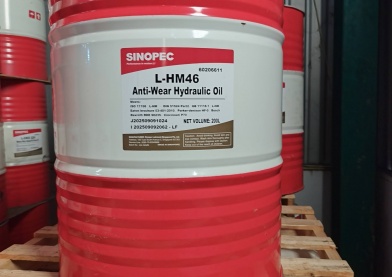
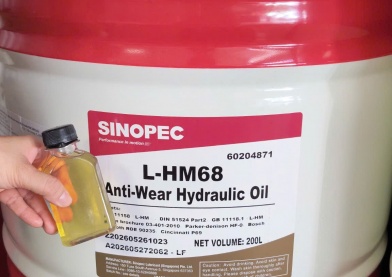
+ Specialized products: Specialized hydraulic oils.
3. Challenges and solutions for Vietnamese enterprises
- Challenges: Intense competition, limited capacity for high-quality production, and the environmental protection tax (1,000 VND per liter) applied from 2025.
- Solutions:
+ Investing in technology and environmentally friendly products.
+ Enhancing brand image, product quality, and value-added services.
+ Optimizing the supply chain.
+ Closely monitoring international market information to adjust strategies.
4. Conclusion
The year 2025 marks a “breakthrough” phase with many opportunities, especially as green transformation and new technologies drive demand. This requires Vietnamese lubricant enterprises to remain flexible, invest in quality, and pursue sustainable development to compete effectively.
Related news

10-09-2026
Admin
10-09-2026
Admin
09-09-2026
Admin
09-09-2026
Admin


10-11-2025
Admin


