



L-QB 300 HEAT TRANSFER OIL
Sinopec L-QB 300 Heat Transfer Oil is a premium product line designed for forced or non-forced circulation closed heat transfer systems.
1. Typical Technical Specifications
Formulated from highly refined mineral base oils combined with detergent and anti-oxidation additive systems.
- Maximum Operating Temperature: 290°C – 300°C (in closed systems).
- Kinematic Viscosity (40°C): Approx. 20 – 40 mm²/s (commonly ~32 mm²/s).
- Flash Point (COC): Minimum 180°C - 226°C.
- Pour Point: -15°C (facilitates easy system startup at low temperatures).
- Initial Boiling Point: >280°C (typically reaching 348°C).
2. Practical Applications
Widely used in industrial heating and drying processes:
- Textile & Dyeing Industry: Stenter frames, high-temperature dyeing machines.
- Wood Processing: Board pressing, finished wood drying.
- Food & Pharmaceuticals: Sterilization retorts, agricultural product drying.
- Chemicals: Heating reaction vessels, production of resins and synthetic fibers.
3. Technical Notes for Use
- Avoid Local Overheating: Ensure a high enough flow rate to prevent oil carbonization at the heating surface.
- Moisture Control: Water in the system can cause foaming or sudden pressure spikes leading to explosions. Dehydrate thoroughly before high-temperature operation.
- Closed System: Avoid direct contact between oil and air at high temperatures to prevent rapid oxidation.
- Periodic Inspection: Sample oil to check acid value and carbon residue every 6-12 months to determine replacement time.
4. Key Advantages
- Superior Thermal Stability: Minimizes thermal cracking and carbon deposit formation in pipes.
- High Heat Transfer Efficiency: Excellent specific heat capacity and thermal conductivity optimize energy use.
- Operational Safety: High flash point and low vapor pressure reduce fire risk and evaporation loss.
- Compatibility: Non-corrosive to metals and highly compatible with system seals.
5. Storage and Handling
- Location: Store in covered warehouses, away from direct sunlight and extreme temperatures.
- Sealing: Keep drums tightly sealed to prevent ingress of dust and moisture.
- Safety: Keep away from ignition sources or strong oxidizing agents (nitrates, chlorates).
- Environment: Waste oil must be collected and treated according to hazardous waste regulations; do not discharge into the environment.
Related news

Could Oil Prices Rise Further? The Strait of Hormuz Remains the Key Variable
Global oil prices fell nearly 3% in the final trading session of the week, but the decline has not eliminated concerns over supply disruptions. With shipping through the Strait of Hormuz still heavily restricted and alternative routes also facing growing risks, oil prices could remain elevated and potentially rise further if the disruption persists.
12-09-2026
Admin
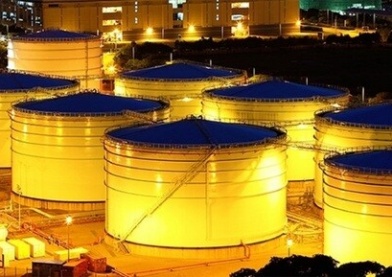
09.12 - Global Oil Prices Fall Nearly 3%, but Supply Risks Remain Elevated
Global oil prices fell nearly 3% in Friday's session, but remained more than 8% higher for the week as investors continued to assess the risk of prolonged supply disruptions in the Middle East. Hopes for potential diplomatic efforts to maintain shipping through the Strait of Hormuz temporarily eased some of the market's risk premium, but supply concerns remain elevated.
12-09-2026
Admin


HAPPY NEW YEAR 2026
10-02-2026
Admin


SINOPEC LUBRICANT – GLOBAL LUBRICATION SOLUTIONS FOR EVERY ENGINE
12-01-2026
Admin

RECRUITMENT NOTICE 2026
06-01-2026
Admin


